

Yoga is an excellent tool for improving mental and physical health along with losing weight. It helps an individual to get in shape. Unlike other forms of workouts, yoga for weight loss and flat tummy holds extra advantages as it diminishes anxiety and makes a person feel relaxed, fresh, and focussed. The physical benefits of yoga clubbed with stress management allow the individual to reduce weight and maintain healthy physical and mental health.
In this article, we have mentioned the asanas that will contribute to your weight loss journey and healthy lifestyle. But do you know the postures of yoga for weight loss? Read this article and forgot about starving to get a flattened tummy. It’s time to switch to an active lifestyle with a calming and effective method like yoga.
Suggested Read: 10 Extraordinary Benefits Of Practicing Yoga Everyday
Let’s take a look at yoga for weight loss!
How Does Yoga Help In Weight Loss?
Yoga is a graceful form of exercise while losing weight requires stringent energy to burn fat. This makes “Yoga for weight loss” a debatable topic. Although yoga and weight loss are paradoxical, if you look closer, you will find out that they are connected.
Yoga is a healthier way of weight loss. It alone doesn’t burn many calories, but yoga proves beneficial for burning fat when combined with a healthy diet. Apart from this, it also keeps both mind and body happy. It helps in creating a better version of yourself and increases your mindfulness. Believe us, “Yoga's positions may appear sedentary, but they work like a miracle on the body.” Here’s how yoga helps in losing weight:
It keeps the senses on all-time: Yoga is an art of controlling the mind and keeping it active all day long. Practicing yoga for weight loss on a daily basis makes you more conscious of the voice of the body and helps you learn what it needs for healthy living. This, in return, makes it easy to keep a check on the calories intake, which is essential for losing weight.
Helps in acquiring sufficient sleep: Sleep and weight loss are interconnected. Both lack of sleep and oversleeping affect the body and weight loss. However, by practicing yoga Nidra, you can improve your sleep cycle. It helps in getting a sufficient amount of sleep, not too much and not too little.
Also Read: Want To Sleep Better? Try These Foods Before Bed
Keeps a person calm and active: Yoga is highly known for its calming abilities. It is one of the best ways to manage stress, control anxiety, and calm a person. By performing yoga for weight loss on a daily basis, it will control the pressure of eating healthy and burning fat while keeping you fit and happy.
Suggested Read: How Pranayama Benefits Your Body & Mind?
5 Yoga Asanas That Burn Fat Seamlessly
These are the five yoga poses that are mainly designed to increase flexibility, enhance concentration, tone muscles, and burn fat. Practicing these asanas might look complicated in the beginning, but once you practice them daily, your body gets used to them.
Check out: Some Yoga Health Magazines You Must Refer As Beginners
1. Surya Namaskara (Sun Salutation)
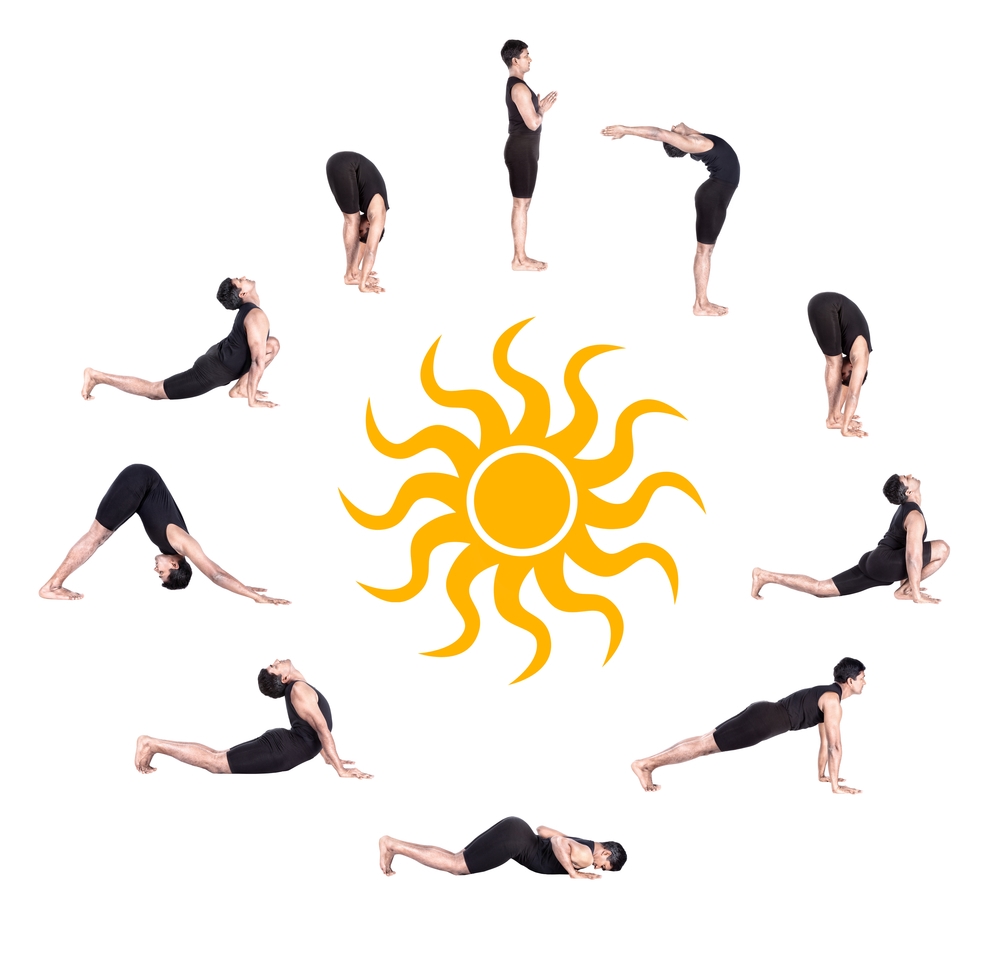
Surya Namaskara is known as the “king of asanas.” It is one of the most popular yoga poses to reduce belly fat. This simple yoga for weight loss involves multiple poses that are performed in a step-by-step manner.
Here are the steps that are performed in Surya Namaskara:
1. Stand straight and join your legs
2. Inhale deeply and lift your arms up
3. Bend forward, touch your legs with your hands, and exhale
4. Bring your feet back and come back to the plank position
5. Hold the position for a few seconds
6 Dropdown your knee and place your body lower to the floor
7. Stretch your legs and keep your hands under your shoulders
8. Inhale halfway while turning into cobra position
9. Switch into downward dog facing front position and exhale
10. Hold the pose for 5 seconds
11. Exhale and take your feet to the top and stand in a forward bend
12. Inhale while lifting up your arms overhead
13. Lower your arms, exhale and relax
2. Naukasana (Boat Pose)

Naukasana is the most straightforward power yoga pose for reducing weight. It is a whole-body exercise, working more on the core. Practicing this pose of yoga for weight loss and flat tummy will help enhance muscle strength, promote metabolism, and reduces stress. This pose works outstanding on the front and side tummy muscles to provide a sleek stomach. Here are the steps to follow in Boat Pose:
1. Sit straight and extend your legs on the yoga mat
2. Bend your knees and lift your feet so that your shins are parallel to the floor.
3. Extend your hands and make sure they are parallel to the floor
4. Hold on to the pose for 30 seconds, approximately
5. Put legs down and repeat again
6. Perform this pose at least 5 times
3. Bhujangasana (Cobra pose)

Next, we have the Cobra pose or Bhujangasana. This pose of yoga for weight loss works on the upper body and abdominal muscles. It strengthens the muscles and relaxes the lower back. Cobra pose is excellent for flattening your stomach. However, it is not recommended for pregnant women.
1. Below are the steps that you need to follow to perform “Bhujangasana”:
2. Lie down on your yoga mat facing downwards
3. Stretch your hands straight, ensuring that your fingers are under your shoulder muscles
4. Keep your legs straight with your feet hip-width apart
5. Toes should be pointing behind you
6. Slowly inhale and lift your body
7. Pull your shoulders backward while focusing on your abs
8. Place all bodyweight onto your forearms and make sure that your hips and feet are firm on the floor
9. Lift your upper torso and keep your chin upwards
10. Hold on to this pose of yoga for weight loss for a few breaths
11. Slowly release this pose, exhale, and come back to the lying position before repeating
4. Dhanurasana (Bow pose)

Dhanurasana or Bow pose is quite a challenging yoga pose for losing weight. Practicing this posture strengthens the abs and tones the muscles. It has several benefits: it improves blood circulation, digestion and helps in strengthening thighs, chest, and back. To tone your body, it is one of the must-perform yoga poses. Read the given steps to learn how to do Dhanuransana:
1. Lie on the floor flat on the stomach
2. Start bending your knees and move them upwards
3. Simultaneously lift your upper body and try holding your feet with your hands.
4. Inhale while lifting hands, feet, chest, and thighs
5. Stay in the same position for seconds, say 30 seconds
6. Release your hands and feet, exhale, and lay down on the mat
5. Kumbhakasana (The plank)

The fifth pose of yoga for weight loss is Kumbhakasana. It is one of the poses that work on the whole body, helping to flatten the stomach and toning the muscles. It strengthens the core and has immerse benefits on the body. The plank is definitely, the most loved and renowned pose of yoga. Performing this pose engages abs, arms, shoulders, and legs. There are variations in plank pose, and you must spend 15-20 minutes of your yoga workout on performing this asana.
Follow the given steps for performing Kumbhakasana:
1. Lie down on the floor with your face downwards
2. In a tabletop position, take back your feet, ensuring your heels lifted
3. Lift your upper body with straightened arms and body
4. Make sure there’s no sagging and raised hips
5. Maintain a proper posture and balance your body on toes and arms
6. Keep your face forward and focus on the arm, core, and leg muscles
7. Stay in the same position as long as you can
8. Come back to the initial position and repeat after a few seconds.
Suggested Read: All You Need To Know About Safe Pregnancy Exercises
Some Weight Loss Tips To Keep In Mind
- Combine Yoga With Healthy Eating Habits
Yoga alone will not show a drastic change in the body. If you really want to reduce fat, then you need to combine yoga with healthy eating. Saying no to junk food is the key to weight loss. Make sure you consume healthy and nutrient-rich food along with yoga for weight loss.
Suggested Read: 5 Nutrient-Rich Recipes For Weight Loss
- Be Patient For The Results
Yoga for weight loss and flat tummy works slowly but surely. So, if you start practicing yoga, you must keep patience to see the results. Don’t expect that your weight will reduce right away. Be patient and consistent.
- Perform Outdoor Activities
Performing outdoor activities is an excellent way to shed fat. Along with doing yoga for weight loss, you must spare a few days in a month for outdoor activities like trekking, hiking, cycling, etc. This will help you enjoy the benefits of both worlds.
Suggested Read: Some Amazing Weight Loss Tips You Must Know
General FAQs
Q1. What is more beneficial for weight loss: Yoga or Gym?
Ans. There’s no comparison between yoga and gym. Both have their own benefits. Yoga is a relaxing form of exercise that includes more stretching. On the other hand, the gym consists of activities that emphasize muscle contraction. No one can claim that one of these is beneficial than the other. What works for an individual depends on the body type and the personal choice.
Suggested Read: Awesome Benefits Of Amla Indian Gooseberry Juice For Weight Loss
Q2. How much weight can an individual lose with yoga?
Ans. There’s no fixed amount of weight an individual can lose by performing yoga. It usually differs from person to person and depends upon multiple factors. One such aspect includes flexibility. More the flexibility, the more weight you can lose.
Q3. How often should we perform yoga for weight loss?
Ans. To enjoy the significant benefits, you should perform yoga for weight loss daily. Practicing it regularly will regulate the blood flow, relieve stress, and help in burning weight.
Recommended Read: Everything You Must Know About 16:8 Intermittent Fasting
Q4. What is Power Yoga? Is it a beneficial form of yoga for weight loss and flat tummy?
Ans. Power yoga is a vigorous form of yoga that helps in losing weight much faster. It is like a cardiovascular workout that an individual usually performs in the gym. It improves the weight loss journey by making it quick and also helps in relieving stress from the body. It improves stamina, increases flexibility, and enhances attention.
Recent Articles
What Does a Shingles Rash Look Like, and How to Treat It?
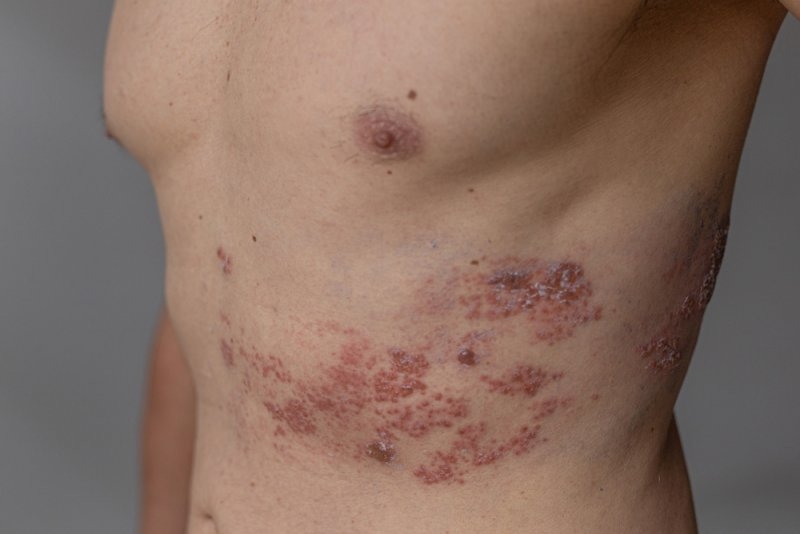
Key TakeawaysA shingles rash shows up on one side of your body, usually as a stripe or band.Burning or tingling often comes first, sometimes a day or two before any blisters.Antiviral pills work best if you start them within 72 hours of the rash.Blisters crust over in about a week, but nerve pain can hang around for months.Rash near your eye? Get seen the same day.You notice an odd burning spot on your ribs. No rash yet, just a hot, prickly feeling that won't quit. Most people shrug it off as a pulled muscle or a scratchy shirt tag.Then the blisters arrive. That's usually when the penny drops: this is a shingles rash, and it comes from the same virus that once gave you chickenpox.Here's the plain-English version of what to watch for, how doctors treat it, and when you shouldn't wait. We'll also cover shingles symptoms, recovery time, and a few common worries.What Is a Shingles Rash?A shingles rash is a stripe of painful blisters caused by the varicella zoster virus. That's the same bug behind chickenpox. After you recover as a kid, it never fully leaves. It settles into nerve tissue near your spine and sleeps for decades. Then stress, illness, or simple aging wakes it up. It travels along one nerve to your skin, which is why the rash stays on one side.Who Is Most at Risk?Age matters most. The CDC says roughly one in three Americans will get shingles at some point, and most cases show up after fifty. But younger adults aren't safe, especially if their immune system is weak.Anyone over fiftyPeople with HIV, cancer, or an organ transplantThose taking steroids or chemotherapyPeople under intense stress or recovering from an injuryWhat Are the Early Signs of Shingles?The early signs of shingles are sneaky, because your skin looks completely normal at first. What you feel is itching, burning, or a prickly sensation along one strip of skin. Some people also get a mild fever, a headache, or plain tiredness. This stage can last a day or two, and it fools almost everyone.Why Do Doctors Sometimes Miss It?Pain on the chest can feel like a heart problem. Pain along your side can look like gallstones or kidney stones. Without a rash, even good doctors may chase the wrong cause. Once blisters appear a day or two later, the answer is obvious. So if you've got one-sided burning, mention it early.What Are the Common Shingles Symptoms?Once the rash arrives, shingles symptoms follow a fairly predictable path. Red patches show up first. Then clusters of fluid-filled blisters form, looking a lot like chickenpox but packed into a tight band. After a few days, they dry out and crust over. Here's the usual timeline.SymptomWhat You NoticeTypical TimingBurning or tinglingHot, sharp, or prickly skin on one side1-2 days before the rashRed patchesA band-like area of irritated skinDays 2-3BlistersFluid-filled clusters, like chickenpoxDays 3-7CrustingBlisters dry and form scabs.Around days 4-10Fatigue or feverA mild, flu-like feelingEarly phaseWhere Does the Rash Show Up?Most often it wraps around the chest, ribs, or back like a belt that stops halfway. It can also hit your face, neck, or a limb. The face is the risky spot. If the rash creeps near your eye, your vision could be at stake. See an eye doctor right away, because hospital treatment is sometimes needed.What Does Shingles Treatment Involve?There's no magic cure that wipes out the virus, but shingles treatment still makes a real difference. Doctors usually prescribe antivirals such as acyclovir, valacyclovir, or famciclovir. The catch is timing. They work best when you start within 72 hours of the rash. Wait longer, and you lose some of the benefit, including protection against lingering nerve pain.Pain Relief OptionsPain is often the worst part. Some patients describe it as a hot acid burn. Ibuprofen or acetaminophen helps mild cases, while tougher pain may need gabapentin. Lidocaine or capsaicin creams can calm the skin. Check with your doctor first, since doses matter. Severe cases may need IV antivirals, which means a few days in the hospital.OptionWhat It DoesGood to KnowAntiviralsSlows the virusBest within 72 hoursAcetaminophen or ibuprofenEases mild painFollow label directions.GabapentinCalms nerve painPrescription onlyLidocaine or capsaicinSoothes the skinUse as directed.What Helps With Shingles Rash Treatment at Home?Home care won't replace medication, but it makes the days far more bearable. For shingles rash treatment at home, think gentle and boring. Cool compresses, loose cotton, and a lot of patience go a long way. Try these:Press a cool, damp cloth on the area for 15 minutesWear loose cotton shirts that don't rubKeep blisters clean, dry, and lightly coveredSoak in a lukewarm oatmeal bathWhat Should You Skip?Don't pop the blisters, however tempting. Skip thick, greasy creams on open sores, because they trap moisture and invite infection. Tight bandages just rub and hurt. And be wary of internet cures. Some herbal products clash with prescription drugs, so ask your pharmacist before trying anything new.How Long Do Shingles Last?Most people feel better within two to four weeks. Blisters usually crust over in about a week, and the rash itself clears in roughly ten days. Nerve pain is the wild card. About one in ten people develop postherpetic neuralgia, a stabbing, pins-and-needles pain that can last for months. Starting treatment early lowers that risk.StageHow LongWhat's HappeningPre-rash pain1-2 daysBurning, itching, tinglingBlister phase3-7 daysFluid-filled clusters form.Crusting7-10 daysScabs form, blisters dry.Healing2-4 weeksSkin recovers; marks may linger.Is Shingles Contagious?Sort of. You can't hand someone shingles. But the blister fluid carries the virus, so a person who never had chickenpox or the vaccine could catch chickenpox from you. Stay away from babies, pregnant women, and unvaccinated people until every blister has crusted. Curious how other illnesses spread? Our guide to infectious diseases and their treatment covers the basics.When Should You See a Doctor?Call within 72 hours of spotting the rash. That window is when antivirals help most. Some situations are urgent, though, and shouldn't wait for a routine appointment.Rash or pain near your eye, forehead, or noseA weak immune system from cancer, HIV, or certain medicinesSevere pain, high fever, or confusionA rash spreading over several areasFacial weakness or sudden hearing changesCould It Be Something Else?Fair question. Plenty of viral illnesses cause fever and a rash, so a proper diagnosis matters. Our article on Oropouche virus disease shows how alike early viral symptoms can look. Doctors usually confirm shingles just by examining the rash pattern, though a lab test of the blister fluid is sometimes used.Can You Prevent Shingles?Yes, and the vaccine is your best bet. Doctors recommend it for healthy adults aged fifty and older. It's two doses, spaced two to six months apart, and most insurance plans cover it. Side effects are usually mild, like a sore arm or feeling tired for a day or two. Even if you've had shingles already, get vaccinated once the rash is completely gone.ConclusionA shingles rash hurts, but acting fast can shorten the illness and protect your nerves. Notice burning or tingling on one side of your body? Call your doctor within 72 hours, not next week.Pair antiviral pills with pain control and gentle skin care. Once you've recovered, ask about the shingles vaccine so a second round is less likely.Frequently Asked QuestionsWhat does a shingles rash look like in the beginning?It begins as red, slightly raised patches on one side of your body. Within a few days, small fluid-filled blisters form in a band, and you'll usually feel burning, itching, or tingling nearby.Can shingles symptoms appear without a rash?Yes, though it's rare. Some people get burning, tingling, or deep nerve pain with no blisters at all. That makes diagnosis tougher, so see a doctor if one-sided pain keeps nagging you.Is shingles rash treatment possible without antiviral pills?Technically you can try, but it's a real gamble. Cool compresses and painkillers take the edge off, yet they won't touch the virus itself. Ring your doctor within 72 hours if you can.How long do shingles last once treatment starts?Expect two to four weeks before you feel like yourself again. Starting antivirals early can shorten that and lower complication risks. The nerve pain is the stubborn part, especially if you're older or immunocompromised.Can you get shingles more than once?Unfortunately, yes. A first bout doesn't buy you lifelong immunity, and it can pop up in the same spot or a totally different one. Get vaccinated after recovery to cut the odds.
What is Respiratory Syncytial Virus (RSV) and its Symptoms?
Quick TakeawaysRespiratory syncytial virus infects the lungs and breathing passages across all age groups.Infants and seniors face higher risks of severe lower respiratory tract complications.Early symptoms mimic common colds with runny noses, coughing, sneezing, and mild fever.Infection spreads through direct contact, respiratory droplets, and contaminated surfaces.Treatment focuses on supportive care, hydration, rest, and monitoring breathing stability.Watching a child or aging parent struggle to breathe is deeply frightening for any family caregiver. According to public health data from the Centers for Disease Control and Prevention, respiratory syncytial virus (RSV) leads to more than 58,000 hospitalizations annually among young children and upwards of one hundred thousand hospitalizations among older adults. Recognizing early warning signs protects vulnerable loved ones from serious illness.Understanding how this common pathogen behaves helps you make informed medical decisions during cold season. In this comprehensive medical overview, we will explore RSV causes, identify distinct RSV symptoms in babies and adults, outline how is RSV diagnosed, evaluate home remedies alongside clinical RSV treatment, and analyze what are the complications of RSV.What is Respiratory Syncytial Virus (RSV)?Respiratory syncytial virus (RSV) is a highly contagious seasonal virus that targets the human lungs and respiratory tract. While most individuals experience mild cold-like symptoms, the virus can inflame small airways in vulnerable patients, causing bronchiolitis or pneumonia.What Causes Respiratory Syncytial Virus (RSV) Spread?Understanding RSV causes involves looking at viral transmission dynamics. The virus enters the body through the eyes, nose, or mouth after exposure to infectious secretions.Airborne Droplets: Inhaling respiratory droplets expelled when an infected person coughs or sneezes nearby.Direct Physical Contact: Shaking hands, kissing a child on the face, or touching infected individuals.Contaminated Surfaces: Touching door handles, toys, or counters where the virus survives for hours.Must Try: What Is Powassan Virus Disease? Causes and Prevention Guide What are the Common RSV Symptoms Across Different Age Groups?Early RSV symptoms in children and different age brackets often appear within 4 to 6 days after initial exposure. Symptoms typically progress gradually rather than appearing all at once.Patient DemographicTypical Primary SymptomsSevere Warning SignsInfants & ToddlersRunny nose, reduced appetite, mild cough, low feverWheezing, rapid breathing, flaring nostrils, chest gruntingOlder ChildrenSneezing, dry cough, sore throat, mild congestionPersistent high fever, deep barking cough, fatigueAdults & SeniorsStuffy nose, headache, low-grade fever, throat tickleShortness of breath, wheezing, confusion, worsening asthmaRSV Symptoms in Babies and Young ChildrenRecognizing RSV symptoms in babies requires close observation because infants cannot vocalize distress. Look for chest wall retractions, where skin sucks in around ribs during breathing. Poor feeding and unusual lethargy also signal serious lower respiratory involvement.RSV Symptoms in Adults and SeniorsWhile RSV symptoms in adults usually mirror common upper viral respiratory infections, older individuals face heightened risks. Seniors with underlying heart or lung conditions may experience severe respiratory distress requiring medical intervention.How is RSV Diagnosed and Evaluated by Doctors?Healthcare providers evaluate respiratory illness through physical examinations and specialized diagnostic tests. Early medical evaluation prevents severe complications.Clinical Examination: Physicians listen to lung sounds with a stethoscope to detect wheezing, crackles, or air passage blockages.Nasal Swab Testing: Rapid antigen tests or molecular polymerase chain reaction assays identify viral genetic material in nasal secretions.Pulse Oximetry Check: Noninvasive sensors measure blood oxygen levels to ensure adequate tissue oxygenation.Chest X-rays: Radiology imaging helps evaluate lower airway inflammation or secondary bacterial pneumonia.What is the RSV Recovery Time and Expected Timeline for an Infectant?Patients frequently ask how long does RSV last during acute infection phases. For mild cases, RSV recovery time ranges between one and two weeks. However, persistent coughing can linger for several weeks as bronchial tissue heals.Infants and immunocompromised individuals may shed the virus longer, extending the contagious period beyond typical timelines.What are the Complications of RSV?While many patients heal at home, severe infections cause long-term health challenges. Knowing potential complications helps families seek timely emergency care.Bronchiolitis: Severe inflammation of small airways in infants causing air trapping and breathing hardship.Pneumonia: The infection spreads deep into lung tissue, causing air sacs to fill with fluid.Ear Infections: In this, the middle ear inflammation results from fluid buildup behind the eardrum.Asthma Exacerbation: Triggering severe wheezing attacks in individuals with existing asthma or reactive airway disease.Try This: What is Ebola Virus, and How Does the Virus Spread?Effective RSV Treatment Options and Care ManagementCurrently, no specific antiviral medication cures standard viral cases directly. Clinical RSV treatment focuses on supportive management to relieve uncomfortable symptoms while the body fights off the infection.Care ApproachSpecific Action / StrategyPrimary Health BenefitHydration ManagementOffering frequent fluids, breast milk, or oral electrolyte solutionsPrevents dehydration and thins thick mucus secretionsFever ReductionAdministering age-appropriate acetaminophen or ibuprofenRelieves body aches and manages elevated body temperaturesNasal ClearanceUsing saline drops combined with bulb syringe suctioningClears blocked infant nasal passages before feedingAir HumidificationRunning cool mist humidifiers in sleeping areasSoothes irritated airways and eases nocturnal coughingConclusionUnderstanding respiratory conditions empowers families to protect vulnerable household members throughout peak viral seasons. In this article, we examined viral transmission routes, detailed age-specific symptoms, outlined diagnostic steps, analyzed recovery timelines, and reviewed supportive care strategies. Recognizing early warning signs ensures rapid medical intervention, lowering risks of severe respiratory complications. Prioritizing preventive measures like hand hygiene, surface sanitization, and protective immunizations creates a safer environment for everyone. Explore comprehensive health guides and wellness resources today to keep your household healthy, informed, and prepared!Taking proactive control of family health begins with reliable guidance and trusted medical insights. Prioritize your well-being by staying informed, consulting qualified healthcare professionals, and adopting proactive wellness routines that safeguard your loved ones all year long!FAQsHow Long Does the RSV Virus Survive on Unwashed Hands and Surfaces?Respiratory syncytial virus can survive on hard surfaces like tables and crib rails for up to six hours. On soft surfaces like tissues or clothing, it remains viable for thirty minutes. On unwashed hands, the virus survives for roughly thirty minutes, highlighting the need for frequent handwashing.What Preventive Immunizations Exist to Protect Vulnerable Infants from RSV?Preventive options include maternal vaccines given during pregnancy and monoclonal antibody injections administered directly to infants. Maternal immunization transfers protective antibodies through the placenta, while infant monoclonal antibodies deliver immediate protection against severe lower respiratory tract disease during peak viral months.Can an Individual Contract Respiratory Syncytial Virus Multiple Times in Life?Repeated infections occur throughout a person's lifetime because the initial infection does not produce permanent immunity. Subsequent infections generally cause milder symptoms in healthy individuals, though infants and elderly adults remain vulnerable to recurrent severe lower respiratory complications during peak seasonal outbreaks.When Should Caregivers Seek Emergency Medical Care for Suspected RSV Infections?Caregivers should seek immediate emergency care if a patient displays a blue or gray skin tone around the lips, struggles significantly to breathe, shows severe chest retractions, experiences extreme lethargy, or exhibits signs of dehydration such as dry mouth and lack of wet diapers.How Does Air Quality Impact Recovery Outcomes from Viral Respiratory Infections?Poor indoor air quality, tobacco smoke exposure, and airborne allergens irritate inflamed airways, delaying recovery and worsening respiratory distress. Keeping homes smoke-free, utilizing high-efficiency air filters, and maintaining proper ventilation supports faster bronchial healing during viral recovery phases.

Cardio vs Strength Training: Which Wins Weight Loss Faster?
Key TakeawaysCardio torches more calories while you're actually working out, but strength training keeps burning them long after you've showered and moved on with your day.Muscle doesn't protect itself during weight loss - strength training does that job, and cardio really can't step in for it.The two together, not one instead of the other, is what actually makes a weekly plan stick.New to exercise? Either one is a fine starting point. Just ease in so you don't burn out in week two.If you've ever stood in a gym wondering whether to hop on the treadmill or head for the weight rack, you're not alone. The cardio vs strength training for weight loss question comes up constantly, and honestly, most people expect a clean winner. There isn't one. Both do real work, just in different ways, and the smartest routines borrow from each.What Is a Cardio Workout?Think running, cycling, swimming, brisk walking - anything that gets your heart thumping and keeps it there for a while. A cardio workout trains your heart and lungs to handle sustained effort more efficiently over time. It can feel repetitive, sure, but that steady burn adds up fast, which is exactly why so many people lean on it for weight loss.What Is a Strength Training Workout?A strength training workout is built around resistance - dumbbells, machines, resistance bands, or just your own bodyweight. Squats, push-ups, deadlifts, that kind of thing. Instead of keeping your heart rate up for 30 straight minutes, you're working in short, focused bursts. The goal here isn't endurance. It's building muscle your body can actually use.Must Read: Yoga for Weight Loss: Poses, Workouts, and BenefitsCardio vs Strength Training DifferencesSo what actually separates these two? The cardio vs strength training differences come down to how your body responds during and after each one. Cardio keeps your engine running the whole time. Strength training hits hard in short bursts, then leaves your body working overtime afterwards to repair itself.FactorCardioStrength TrainingCalories burnt during workoutHigherModerateAfterburn effect (EPOC)LowerHigher, up to 48 hoursMuscle buildingMinimalSignificantJoint impactCan be higherGenerally lowerBest forHeart health, enduranceMuscle mass, metabolismBenefits of CardioThere's more going on with cardio than just a number on the calorie tracker.1. Heart and Lung HealthYour heart is a muscle too, and cardio trains it like one. Do it consistently, and your resting heart rate drops, meaning your heart doesn't have to work as hard just to keep you alive.2. Stress ReliefEver notice how a run can clear your head better than sitting and thinking ever does? That's not in your imagination. Cardio has a real, measurable effect on lowering stress and anxiety.3. Efficient Calorie TorchingIf you're short on time and want the biggest calorie burn in the fewest minutes, running or cycling usually gets you there faster than most other options.Benefits of Strength TrainingThe benefits of strength training show up less in the moment and more over weeks and months.1. Muscle PreservationHere's something a lot of people don't realise: when you lose weight without lifting, some of that loss is muscle, not just fat. Strength training is what keeps that from happening.2. Afterburn and Metabolism BoostAfter a tough strength session, your body keeps burning extra calories for up to 48 hours while it repairs itself. More muscle also means a higher metabolism even when you're just sitting around.3. Stronger Bones and Better Self-EsteemLifting weights isn't just about looking stronger - it protects your bones as you age, and studies suggest it gives a bigger boost to self-esteem than cardio typically does.Explore More: When is the Best Time to Exercise for Peak Results?Which Is Better, Cardio or Strength Training?People ask which is better, cardio or strength training, as if there's a single right answer. There isn't. Cardio wins on pure calorie burn and heart health. Strength training wins on muscle and long-term metabolism. Pick one over the other permanently, and you're leaving real benefits on the table.Cardio vs Strength Training for Fat LossHere's where it gets interesting. For cardio vs strength training for fat loss, cardio usually burns more in a single session. But if you only do cardio, some of what you lose can be muscle. Strength training protects that muscle, which is a big deal for how your body actually looks and functions afterwards.Does Strength Training Burn More Calories Than Cardio?It depends on when you're counting. During the workout itself? Cardio almost always wins, minute for minute. But strength training keeps your metabolism revved for up to two days afterwards, which changes the math more than people expect once you zoom out past a single session.Should I Do Cardio or Strength Training First?Honestly, it comes down to what you're trying to get out of that day's workout. Want to lift heavier? Do strength training while you're still fresh. Chasing endurance or a bigger calorie burn? Warm up with cardio first, then move into weights once your legs already know what tired feels like.Can You Do Cardio and Strength Training Together?Yes, and plenty of people do it without any issue. Circuit training and HIIT blend both into one session pretty seamlessly. Just don't go all-out on both every single day - your body needs recovery time, and skipping that is a fast way to end up sore, tired, and less motivated.How Much Cardio and Strength Training Should I Do?This is one of the most common questions, and the general guideline is roughly 150 minutes of moderate cardio a week, plus two full-body strength sessions. That's a starting point, not a rule carved in stone - your schedule, current fitness level, and goals should shape the exact numbers you land on.Cardio or Strength Training for BeginnersNew to working out? Cardio or strength training for beginners really comes down to what feels less intimidating to start. Walking is about as low-pressure as exercise gets. Strength training just asks a little more upfront - learning proper form matters, ideally with someone showing you, before you start piling on weight.How to Build a Cardio and Strength Training RoutineA good cardio and strength training routine doesn't need to be complicated. It just needs to fit your actual life.1. Set Your Weekly SplitThree strength sessions, two or three cardio sessions - that's a solid starting template. Just give the same muscle groups a day off in between so they can actually recover.2. Layer in RecoveryRest days don't have to mean total stillness. A walk, some light yoga for weight loss, or whatever keeps you moving without adding real training stress works fine.3. Track and AdjustPay attention to how you're sleeping, how your energy holds up, and how your workouts feel after a few weeks. A routine you'll actually stick with beats a perfect one you'll quit in a month.ConclusionAt the end of the day, cardio vs strength training for weight loss isn't really a competition worth having. Cardio burns calories fast and keeps your heart in shape. Strength training protects your muscle and keeps your metabolism working for you long after the workout ends. Do both, and you're covering all your bases instead of betting everything on one.Frequently Asked QuestionsWhich burns more calories, cardio or strength training?Depends on when you're asking. Mid-workout, cardio wins hands down - your heart rate stays up the entire time, so the burn is constant. Lift weights instead, and something different happens: your body keeps working overtime for a day or two afterward, repairing muscle, which quietly adds up to more than people expect.Should beginners start with cardio or strength training?Cardio, usually. Walking, jogging, the bike - nothing to learn, easy on the joints, hard to mess up. Weights can come later, once you're comfortable moving and ready to learn form properly. Rushing into strength training too fast is honestly how a lot of people end up injured or just quitting.Can cardio and strength training be done on the same day?Sure, can. Loads of people do both back-to-back without any problem. The only real catch is recovery - don't hammer the same muscles with zero rest between them, or you'll wear yourself down faster than you're building anything up.How many days a week should I combine cardio and strength training?150 minutes of cardio a week is the number most guidelines throw out there, alongside two strength sessions. Not a rulebook, though. Your schedule, your energy levels, what you're actually training for - all of that should nudge the numbers up or down.Does strength training count as cardio for fat loss?Not technically. Cardio's whole deal is keeping your heart rate elevated for a stretch; strength training is short bursts, then rest, then more bursts. Different mechanism. Doesn't mean it's useless for fat loss - it just gets you there a different way.
What is a Viral Infection, and How Does It Affect You?
Quick TakeawaysA viral infection occurs when microscopic viruses invade healthy living cells to replicate rapidly.Common viral infection symptoms include sudden fever, muscle fatigue, body aches, and persistent congestion.Antibiotics only target bacteria and cannot treat or cure illnesses caused by viral pathogens.Proper hand hygiene, updated routine vaccinations, and healthy lifestyle habits provide the strongest defense.Most mild viral illnesses resolve naturally within one to two weeks with supportive home care.Waking up with a scratchy throat, sudden fever, or overwhelming body fatigue can instantly disrupt your busy schedule. A viral infection occurs when microscopic genetic material enters human host cells to hijack cellular machinery. According to clinical data from health organizations worldwide, respiratory viral illnesses account for millions of outpatient clinic visits every single year. Whether you are a parent caring for a sick child, a student studying health science, or a professional staying healthy, recognizing early viral signs empowers you to act quickly.Feeling unwell creates understandable worry, especially when balancing family responsibilities, school attendance, or demanding work deadlines. Understanding how these tiny pathogens operate demystifies your physical recovery process and helps protect your household.In this comprehensive guide, we will examine what viruses are, how infections develop, primary viral infection causes, common warning signs, types of viruses, modern diagnostic tests, effective treatments, and proven preventive habits.What is a viral infection?A viral infection is a medical condition that occurs when a virus enters your body and invades host cells to multiply. Because viruses lack the cellular mechanisms needed to reproduce on their own, they must rely on living hosts to survive and spread.When an infection takes hold, your body activates an immediate immune response to fight off the invader. This battle between the virus and your immune system is what produces the familiar physical discomfort and symptoms associated with being sick.What is a virus?A virus is a tiny, non-living microscopic parasite that consists of a fragment of genetic material wrapped inside a protective protein coat called a capsid. Unlike bacteria, plants, or animal cells, viruses do not have organelles, do not produce their own energy, and cannot survive independently for long periods without a host.Viruses exist in an incredible variety of shapes and sizes. They target specific host organisms, ranging from human organ tissues and animals to plants and even bacteria.Must Try: What is Ebola Virus, and How Does the Virus Spread?What Causes a Viral Infection in the Body?Understanding viral infection causes begins with looking at microscopic biological processes and how viruses transfer between individuals.The Viral Replication CycleAttachment: The virus binds to specific protein receptors on the surface of a healthy host cell.Entry and Hijacking: The virus penetrates the cellular membrane and releases its genetic material into the cell.Replication: The hijacked cell follows the viral genetic instructions, manufacturing thousands of new viral components.Release: The newly assembled viruses burst out of the host cell, destroying it and spreading to surrounding healthy tissues.How Viral Pathogens Invade Host Cells?Once inside your body, a virus attaches to a target cell by matching surface receptors like a key fitting into a lock. It injects its DNA or RNA into the cell, forcing the host cell to manufacture thousands of identical viral copies. As infected host cells rupture, newly created viruses spread to neighboring tissues.Transmission and How Viral Infections SpreadUnderstanding how viral infections spread reveals why seasonal outbreaks occur so rapidly in schools and workplaces.Airborne respiratory droplets expelled through coughing, sneezing, or talking.Direct physical contact, such as shaking hands or touching contaminated surfaces.Ingestion of contaminated food or water sources.Vector transmission through mosquito or tick bites.What are the common viral infection symptoms?Identifying physical viral infection signs helps individuals differentiate between mild self-limiting illnesses and conditions needing professional medical care.1. Respiratory System SymptomsViruses affecting your airways frequently cause sore throats, runny noses, persistent coughing, low to high fevers, and occasional shortness of breath.2. Gastrointestinal SymptomsStomach and intestinal viruses trigger acute digestive distress, including nausea, vomiting, watery diarrhea, and painful abdominal cramping.3. Skin and Integumentary SymptomsDermatological viral conditions manifest as noticeable skin rashes, fever blisters, or fluid-filled cold sores across affected areas.4. Neurological SymptomsInfections affecting the nervous system can lead to severe headaches, neck stiffness, extreme light sensitivity, and cognitive confusion.What are the major types of viral infections?Medical professionals categorize types of viral infections based on the primary organ system targeted by the pathogen.Respiratory and Digestive VirusesRespiratory viral illnesses include influenza, rhinovirus, and respiratory syncytial virus. Digestive viral conditions include norovirus and rotavirus, which cause acute stomach distress and rapid fluid loss.Systemic and Chronic Viral ConditionsCertain viruses affect the whole body or remain latent inside tissue cells for years. Examples include varicella-zoster, which causes chickenpox and shingles, alongside viral hepatitis affecting liver tissue function.Diagnosing a Viral Illness and Tests for Viral InfectionsWhen severe symptoms arise, healthcare providers order specialized clinical tests for viral infections to confirm an accurate medical diagnosis.Molecular and PCR TestingPolymerase chain reaction tests amplify small segments of viral genetic material from nasal or throat swabs. PCR assays deliver highly accurate results within hours, identifying specific viral strains during early illness stages.Antibody and Rapid Antigen AssaysRapid antigen tests detect specific viral proteins quickly in outpatient clinics. Serology blood tests search for antibodies manufactured by your immune system, confirming past exposure or ongoing immune responses.Try This: What Is Powassan Virus Disease? Causes and Prevention Guide What are the modern viral infection treatment options?Choosing the proper viral infection treatment requires matching medical therapies to the specific pathogen involved.Targeted Antiviral Medications: Prescription antivirals slow viral replication when administered within forty-eight hours of early symptom onset.Supportive Self-Care Therapy: Resting, consuming adequate fluids, and taking over-the-counter pain relievers help manage fever and muscle aches safely.Avoid Antibiotic Misuse: Antibiotics kill bacteria exclusively and have zero therapeutic effect against viruses. Using antibiotics incorrectly causes unnecessary drug side effects without improving recovery.What are the practical viral infection prevention strategies?Implementing consistent viral infection prevention habits lowers contagion risks across communities and keeps families healthy year-round.Practice thorough hand hygiene with soap and water for at least twenty seconds.Keep routine immunizations and annual seasonal boosters completely up to date.Clean high-touch household and workplace surfaces regularly using approved disinfectants.Maintain healthy sleep routines, nutrient-dense diets, and regular physical activity.Stay home when feeling sick to prevent spreading active germs to others.How Long Does a Viral Infection Last in Adults?Understanding how long a viral infection lasts assists patients in monitoring recovery timelines and planning return-to-work dates safely.Most uncomplicated viral infection symptoms in adults peak within three to five days and resolve completely within ten to fourteen days. Persistent fatigue or a mild lingering cough may continue for several weeks while your body rebuilds cellular energy. If high fevers persist past five days, or if breathing difficulties develop, seek immediate medical evaluation.ConclusionNavigating health challenges requires clear evidence-based knowledge and compassionate guidance. Throughout this article, we defined what viruses and viral infections are, examined how viruses invade host cells, reviewed hallmark signs across major organ systems, and explored diagnostic PCR tests. We clarified why antibiotics do not treat viruses, highlighted targeted antiviral therapies, and detailed practical preventive measures like hand hygiene and routine vaccination. Armed with these clinical insights, you can navigate seasonal viral illness with confidence, protect vulnerable family members, and support your body's natural defense mechanisms.Taking proactive steps toward holistic health empowers you to build resilience against everyday environmental stresses. Prioritizing rest, nutrient-dense nutrition, proper hydration, and evidence-based wellness strategies helps your body maintain optimal immune performance through every season. Discover comprehensive wellness resources, expert health guides, and daily recovery insights today at Cured.FAQsAre Viral Infections Contagious Before Symptoms Appear?Yes, many viral pathogens spread during the incubation period before an infected person experiences obvious physical symptoms. For example, individuals infected with influenza or common cold viruses can shed infectious respiratory droplets one to two days before fever or coughing begins, making hand hygiene and preventive measures essential.How Does the Immune System Neutralize Viral Pathogens?The human body deploys two primary defense layers to fight off invading viruses. First, innate immune responses release proteins called interferons that prevent viruses from replicating inside host cells. Next, adaptive immunity creates specialized T-cells that destroy infected host cells and B-cells that produce targeted antibodies to neutralize circulating viruses.What is the Difference Between Acute and Latent Viral Pathogens?Acute viral conditions develop quickly and resolve within a few weeks as the immune system clears the pathogen completely from body tissues. In contrast, latent viruses remain dormant inside specific host cells permanently after initial infection, reactivating periodically during periods of physical stress, fatigue, or weakened immunity.Can Natural Immunity Protect You Better Than Vaccines?While surviving an illness produces natural antibodies, natural infection carries significant risks of severe health complications, organ damage, or hospitalization. Vaccines train your immune system to recognize specific viral proteins safely without causing actual disease, providing robust protective immunity while avoiding dangerous infection complications.Why Do Certain Viruses Require Annual Seasonal Boosters?Certain respiratory viruses, such as influenza, undergo frequent genetic mutations during replication cycles, changing their surface protein structures over time. Vaccine scientists update seasonal immunization formulas annually to match currently circulating viral strains closely, ensuring your immune system maintains peak antibody protection against evolving threats.
Holistic Solutions for Amyloid Cardiomyopathy Treatment
Key TakeawaysThe type of amyloid is critical because AL and ATTR cardiac amyloidosis require different diagnostic and therapeutic approaches. It is crucial to identify the type before initiating treatment.Supportive care is in addition to, rather than instead of, treatment: Proper management of fluids, nutrition, activity, symptoms, and medications may complement the treatment.Red flags must be acted on immediately: If new faints, increasing breathlessness, fast weight gain, chest pains, or significant changes in blood pressure occur, these must be addressed immediately with the healthcare team.Swollen ankles, breathlessness after one flight of stairs, and a thickened heart wall on an echocardiogram can point to a disease many people have never heard of. These holistic solutions for Amyloid Cardiomyopathy treatment help patients and families understand how specialist care, daily habits, and carefully chosen supportive therapies can work together.Amyloid cardiomyopathy is not a condition to self-treat. The most useful plan combines accurate diagnosis, disease-specific medication when appropriate, fluid control, nutrition, movement, sleep, and close symptom tracking.Why Does the Diagnosis Need a Team Approach?Amyloid cardiomyopathy happens when misfolded proteins build up in the heart muscle, making the walls stiff. The heart may squeeze normally on an early scan but still fail to fill well, so people feel short of breath, tired, dizzy, or puffy in the legs and abdomen.The first split matters: AL amyloidosis is linked to abnormal plasma cells and can progress quickly, sometimes over weeks. ATTR amyloidosis involves transthyretin protein and may be hereditary or age-related, so care often includes cardiology, hematology, neurology, genetics, and pharmacy input.How Amyloid Fibrils and ATTR-CM Damage the HeartFibrillation of the transthyretin protein can lead to the formation of amyloids that deposit within the gaps between the heart muscle cells. In ATTR-CM, this may cause thickening of the heart walls, poor filling, and heart electrical disturbances.Wild Type Transthyretin Cardiac Amyloidosis CluesOne common form appears later in life and is not caused by an inherited mutation. Wild Type Transthyretin Cardiac Amyloidosis is often suspected in people with heart failure with preserved ejection fraction, carpal tunnel syndrome in both wrists, spinal stenosis, or unexplained biceps tendon rupture. Those clues can appear five to ten years before the heart diagnosis.Also Read: Natural Remedies for Cardiac Amyloidosis: Home Care GuideTTR Cardiac Amyloidosis Treatment in Real LifeCare starts with confirming the type, because the wrong assumption can delay urgent therapy. A nuclear scan using bone-avid tracers, blood and urine tests for monoclonal proteins, cardiac MRI, genetic testing, and sometimes biopsy help separate ATTR from AL disease.A realistic TTR Cardiac Amyloidosis Treatment plan often includes a transthyretin stabilizer such as tafamidis for eligible ATTR-CM patients, plus careful use of diuretics for congestion. Some newer therapies aim to reduce transthyretin production, and availability depends on country, approval status, amyloid type, and specialist assessment.Care goalCommon optionPractical pointSlow ATTR progressionTransthyretin stabilizerTreatment is generally considered earlier in symptomatic diseaseControl fluidLoop diuretic, sometimes with a second diureticDaily weights help prevent dehydration or overloadManage rhythm problemsMonitoring, anticoagulation, pacemaker in select casesAtrial fibrillation may need treatment even without fast pulseTests That Guide Safer DecisionsSmall medication changes can have big effects in amyloid hearts. Blood pressure drugs that suit ordinary heart failure may cause lightheadedness here, and beta blockers are not tolerated by every patient. Ask your clinician which numbers to track at home: weight, pulse, blood pressure, swelling, breathlessness, and urine output are the usual starting set.Holistic Solutions for Amyloid Cardiomyopathy TreatmentA whole-person plan does not mean rejecting medicine. It means building the conditions that help treatment work: fewer fluid swings, better stamina, fewer falls, steadier meals, and faster recognition of warning signs. The most effective routine is usually simple enough to follow on a bad day.Start with a written one-page plan. Include your diagnosis type, medications, diuretic instructions, sodium target, emergency contacts, and the weight gain threshold that should trigger a call. Many clinics use two to three pounds in 24 hours or five pounds in a week, but your target should be personal.Healthy Lifestyle Practices for Amyloidosis at HomeA useful routine is boring by design: same scale, same time, same notebook or app. Healthy Lifestyle Practices for Amyloidosis often include sodium awareness, steady hydration rather than sudden large fluid loads, low-intensity movement, fall prevention, and vaccines for flu, COVID-19, and pneumonia when suitable.Food choices should support heart failure care without causing undernutrition. Aim for protein at each meal if kidney status allows, choose mostly minimally processed foods, and check labels on soups, sauces, deli meats, and frozen meals. A cardiac dietitian can turn a 2,000-milligram sodium goal into meals you would actually eat.Natural Remedies for Cardiac Amyloidosis: Safe SupportSupportive approaches can help symptoms, but they should never be sold as amyloid cures. Breathing exercises may ease anxiety during mild breathlessness, compression stockings can help selected patients with leg swelling, and gentle strength work preserves muscle after hospital stays.Natural Remedies for Cardiac Amyloidosis need extra caution because supplements can interact with diuretics, blood thinners, rhythm drugs, chemotherapy, or kidney disease. Avoid stimulant products, high-dose green tea extract, and large potassium or magnesium doses unless your clinician recommends them. Bring photos of every bottle to appointments.Red Flags That Need Medical AttentionDo not wait out sudden changes. Call your care team promptly for fainting, chest pain, new confusion, black stools, rapid weight gain, worsening swelling, severe dizziness, or breathlessness at rest. If you have AL amyloidosis, fever during chemotherapy or a sudden decline in blood pressure can become urgent fast.Must Read: Heart Attack Symptoms for Women: Common Signs and RisksConclusionHolistic solutions for Amyloid Cardiomyopathy treatment work best when they sit on top of a confirmed diagnosis and a specialist-led plan. The natural side of care is not a substitute for targeted therapy; it is the daily structure that helps you tolerate treatment, spot trouble early, and protect quality of life.If you or someone you love has suspected amyloid heart disease, push for type-specific testing and ask for a written plan. Small daily actions matter, but precision matters too. Amyloid care rewards both.Frequently Asked QuestionsCan diet reverse amyloid cardiomyopathy?No. Diet cannot clear amyloid deposits or replace disease-specific therapy, but it can reduce fluid retention, support energy, and make medication plans easier to tolerate. Most patients benefit from a moderate sodium target, steady protein intake, and a weight log reviewed with their care team.Which supplements should amyloid cardiomyopathy patients avoid?Supplements should be cleared by your cardiologist and pharmacist because heart failure drugs and blood thinners interact with many products. Avoid high-dose green tea extract, stimulant weight-loss products, and large potassium doses unless prescribed. Bring every bottle to visits, including teas and powders you use.How fast does amyloid cardiomyopathy progress?Progression varies by amyloid type, stage at diagnosis, kidney function, and treatment access. AL amyloidosis can worsen over weeks to months, while ATTR often changes over years. New swelling, fainting, rapid weight gain, or worsening breathlessness deserves same-day medical advice from your clinic team promptly.Is exercise safe with amyloid cardiomyopathy?Exercise is often safe if intensity matches your symptoms, blood pressure, rhythm status, and valve or kidney issues. Cardiac rehabilitation is the safest starting point for people with dizziness or recent hospitalization. Stop activity for chest pain, faintness, severe breathlessness, or palpitations that do not settle.Can amyloid cardiomyopathy treatment improve heart function?Indeed, some interventions may allow slowing down the process of the development of the disease, but the already existing deposits of amyloid and damage to the heart cannot be eliminated immediately. The aims of treatment also depend on which type of amyloidosis is being treated.
Popular Categories
Add Your Comment Here