
Head lice are basically parasites that can be found in people’s heads. Head lice is also very common and it is estimated that up to one in every 10 children in school will get lice at some point. Anyone that comes in close contact with a person that already has head lice will be put at risk for catching it at well. Even contaminated clothing can spread lice to other people.
People can catch head lice using brushes and combs that are infested. They can also catch it by lying on a pillow, couch, bed, carpet, and even stuffed animals. If a person has head lice, they will experience symptoms such as a tickling feeling of something moving in the hair, itching, sores on the head, and irritability. If a person wants to diagnose head lice, one can easily look on the scalp for nits, nymphs, or adults.
Treatment for head lice varies. Over the counter medications are used to treat head lice. Lice medicine called pediculicide, should be applied to the hair and scalp. The house should also be treated so it doesn’t spread to other family members. This means dry cleaning all sheets, and clothing through out the entire home. People will also need to soak combs in brushes for an hour in alcohol, if you do not just want to get rid of them.
Head lice is highly contagious and should be examined and treated carefully. If a person wants to prevent themselves from catching head lice again they should remember to not share personal items with other people such as combs, brushes, hats, headphones, scarves, etc. This can decrease spread and prevent anyone from catching lice. There are many remedies that can get rid of lice, some over the counter, and the others using home remedies.
Recent Articles
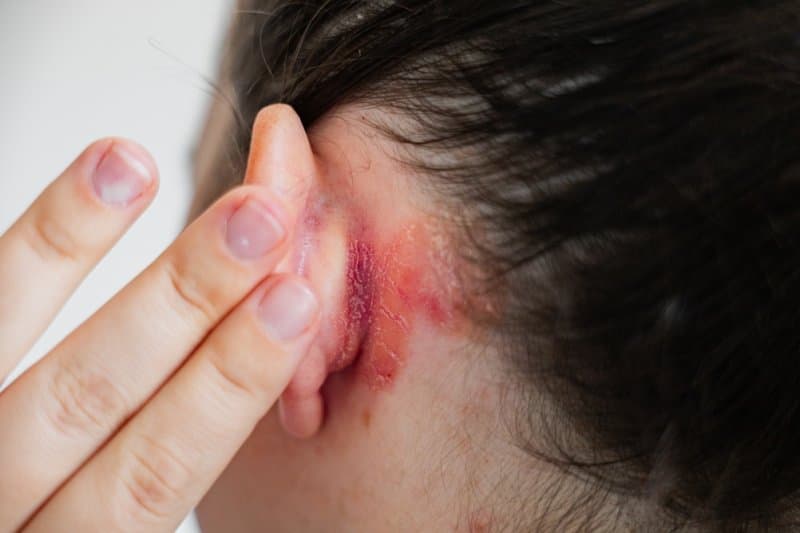
What Triggers Factors That Increase Seborrheic Dermatitis?
Key TakeawaysCold temperatures, stress, and harsh skincare products can cause a sudden flare-up of seborrheic dermatitis.It is estimated by the National Eczema Association that 3-5% of people worldwide are affected by seborrheic dermatitis.Overgrowth of natural yeast (Malassezia) and excess skin oils cause redness and greasy yellow scaling.Using medicated antifungal shampoos and soothing emollients can reduce inflammation on the scalp, face, and eyebrows.Regular cleansing and gentle natural treatments can prevent persistent scaling between appointments.If you have persistent white scaling and red, itchy patches around your nose, it can be very frustrating. Knowing the things you do daily that can cause seborrheic dermatitis can help you prevent flare-ups and discomfort. In adults aged 30-60 years and infants, 3-5% of people in the world suffer from seborrheic dermatitis (National Eczema Association and Cleveland Clinic). Knowing the hidden causes of seborrheic dermatitis within your daily routine can help soothe irritation more quickly.Understanding how factors in the environment and stress levels impact your skin allows you to reduce redness and scaling with kind products.Within this health guide, you will learn what seborrheic dermatitis is, the main causes of seborrheic dermatitis and causes that can exacerbate seborrheic dermatitis, symptoms of seborrheic dermatitis on the scalp, face, and eyebrows, how seborrheic dermatitis is diagnosed, treatment options to reduce symptoms of seborrheic dermatitis, and natural ways to treat seborrheic dermatitis.What is Seborrheic Dermatitis?Seborrhoeic dermatitis is a chronic skin condition that can cause red, itchy patches and greasy white or yellow scaling on excessively oily areas of the body.This condition commonly occurs on the scalp, sides of the nose, eyebrows, ears, and upper chest. This condition is not contagious and can fluctuate; however, it can be easily managed. In infants, seborrheic dermatitis on the scalp is referred to as 'cradle cap,' but in adults, it causes persistent dandruff and redness.Common Causes that Exacerbate Seborrheic DermatitisUnderstanding what causes seborrheic dermatitis to flare up more can allow quick management.Cold, dry air in winter: Low humidity in the air causes the skin to dry. In turn, sebaceous glands overproduce oils, causing high yeast growth.Stress and fatigue: High stress produces increased cortisol within the body, weakening immune function in the skin. This can quickly cause red and itchy skin.Harsh Alcoholic Skincare Products: Using strong astringents, perfumed soaps, and heavy hair products can strip the skin of protective oils and cause irritation in sensitive areas.Rare washing of the scalp: An accumulation of oils and dead skin cells can cause yeast overgrowth.Must Try: How to Support a Loved One With Bipolar Disorder DailyCauses of Seborrheic DermatitisKnowing the causes of seborrheic dermatitis means understanding that flare-ups occur regularly and are not due to poor hygiene.Yeast Overgrowth (Malassezia): Seborrhoeic dermatitis occurs when there is an inflammatory immune response to the overgrowth of Malassezia yeast. This microscopic yeast naturally lives on oily skin in everyone.Excess Oils in Skin: If excess oils are secreted by the sebaceous glands, Malassezia yeast will break down the lipids in the skin. This produces irritating fatty acids, causing redness and scaling.Family History/Genetics: People with a family history of eczema, dandruff, or inflamed skin conditions are more likely to develop recurring flare-ups.Immune System & Neural Conditions: Some neurological conditions, changes in immune function, and certain medications can change the regulation of oils in the skin, increasing sensitivities and inflammation.Symptoms of Seborrheic Dermatitis by Body Area Understanding the symptoms in different areas of the body can help differentiate seborrheic dermatitis from dry skin in winter or plaque psoriasis.Seborrheic Dermatitis on the ScalpScaling can range from very light, dust-like white scaling to thick, greasy yellow plaques. The scalp can get very itchy, and if scratched, soreness and loss of hair from the patches can occur until the inflammation subsides.Seborrheic Dermatitis on the FaceRed and greasy patches with fine white/yellow scaling usually occur in the grooves on either side of the nose, behind the ears, and on the chin. Affected areas can feel taut, hot, and slightly stinging after cleansing.Seborrheic Dermatitis on the EyebrowsPersistent scaling can occur between the eyebrow hairs. Sensitive pink skin can appear underneath. Loosening scales after a warm shower can reduce friction in this area. This can prevent fragile eyebrow hairs from becoming thinner.Diagnosis of Seborrhoeic DermatitisFinding out if you have seborrhoeic dermatitis is rarely uncomfortable.A general practice doctor or dermatologist can diagnose seborrhoeic dermatitis by examining the skin. Considering the location, color, and greasy nature of the scaling on your scalp, eyebrows, and/or face, it can be quickly differentiated from psoriasis, atopic eczema, and rosacea. In stubborn cases that do not respond well to traditional treatment methods, a very small skin sample may be gently scraped and analyzed with potassium hydroxide, or a skin biopsy may be performed. This is to determine if it is a fungal infection (ringworm) or any other skin condition.Medical Treatments for Seborrheic DermatitisThe right treatment can reduce yeast overgrowth and skin inflammation.Area of Skin AffectedRecommended OTC TreatmentRecommended Prescription TreatmentScalp & HairlineShampoo with Ketoconazole, Selenium Sulfide, or Zinc Pyrithione.Ciclopirox medicated shampoo or Steroid Solution.Grooves on Face & Nose2% Zinc Pyrithione Bar.Low-dose hydrocortisone or Ketoconazole Cream.Eyebrows & EarsDiluted Anti-Fungal Shampoo. Apply for 5 minutes.Calcineurin Inhibitor cream (non-steroidal).Using targeted treatment for symptoms of seborrheic dermatitis with unscented moisturizers can provide fast relief. If using medicated shampoos for seborrheic dermatitis on the scalp, leave on for 5 minutes.Try This: Digital Dementia: Symptoms, Causes & Prevention MechanismsHow to Treat Seborrheic Dermatitis Naturally at Home?There are some natural remedies that can be used to treat seborrheic dermatitis.Apply Natural Aloe Vera Gel: To reduce skin redness, relieve itchiness, and moisturize flaky skin on your face gently, without blocking pores.Diluted Tea Tree Oil: Shampoos with 5% Tea Tree Oil can provide natural antifungal properties to reduce yeast overgrowth on the scalp.Reduce Stress & Get Good Sleep: Reducing stress in daily life and sleeping regularly can reduce the spike in inflammatory Cortisol and therefore reduce flare-ups.Non-Blocking Emollients: After cleansing, apply light emollients with squalane or ceramides. This will repair skin damage and not encourage Malassezia overgrowth.ConclusionUnderstanding the causes of seborrheic dermatitis in your skin and knowing how to gently manage them makes managing this chronic condition much easier. Within this health guide, you have learned what seborrheic dermatitis is, what causes flare-ups in daily life (cold weather and stress), and the biological causes. You have learned about symptoms on the scalp, face, and eyebrows. How the condition is diagnosed by doctors and treatments to target symptoms, as well as comforting natural remedies.Doing the same treatment regularly will give long-term relief. Gently cleansing, targeting yeast overgrowth, and protecting skin means persistent scaling is avoided. This means you can feel confident in your skin. To find further-reviewed health guides and helpful symptom relief tips and take control of your daily health, visit our reliable health resource.FAQsIs seborrhoeic dermatitis contagious to others?No, seborrhoeic dermatitis is not contagious. Therefore, passing it on to others by touching, sharing towels, or brushes is impossible. As this condition is caused by the immune response of individuals to their own oils and yeast, family members and partners do not have any risk of catching seborrhoeic dermatitis.How is seborrheic dermatitis different from psoriasis on the scalp?Both conditions can cause scaling and redness on the scalp. However, scaling caused by seborrhoeic dermatitis tends to be soft and greasy yellow in appearance. Scaling caused by psoriasis appears as thick, dry white/silver plaques. These have clearly defined edges and often extend beyond the hairline. They may also be seen on the elbows and knees.Can changing my diet help reduce seborrheic dermatitis flare-ups?Whilst no individual foods directly cause seborrheic dermatitis, reducing intake of processed foods, refined sugars, and excessive alcohol may help reduce systemic inflammation and oil production in sensitive people. Eating foods rich in omega-3 oils, zinc, and antioxidants can improve the resilience of skin barriers in addition to good topical treatments.How long does it take to Clear Symptoms using medicated shampoos?Most people see improvement in itching and scaling within 1-2 weeks by using over-the-counter antifungal shampoos 2-3 times per week. Once symptoms have improved, to prevent future flare-ups, dermatologists recommend using the medicated shampoo once every 1-2 weeks.When should I see a dermatologist?If symptoms are not improving after 4 weeks of using over-the-counter antifungal shampoos, then make an appointment with a certified dermatologist. Visit a dermatologist quickly if your skin becomes extremely inflamed, starts to run yellowy discharge, or has warm crusts. This may mean a bacterial infection has occurred.
What are the Different Types of Heart Disease in 2026?
Quick TakeawaysCardiovascular conditions remain the leading global cause of mortality, accounting for nearly eighteen million deaths annually.Different types of heart disease impact distinct structures, including coronary arteries, heart valves, and electrical conduction pathways.High blood pressure, elevated cholesterol levels, physical inactivity, and chronic stress serve as primary underlying causes of heart disease.Diagnostic evaluations rely on electrocardiograms, echocardiograms, cardiac stress testing, and advanced coronary angiography procedures.Treatment of heart disease combines tailored lifestyle modifications, daily therapeutic medications, and advanced minimally invasive surgical interventions.Hearing a doctor mention potential cardiovascular issues can leave anyone feeling anxious and uncertain about their family's future. Learning about the various types of heart disease helps you recognize early warning signs and take proactive control of your long-term health. According to statistics published by the World Health Organization, cardiovascular conditions account for nearly eighteen million deaths globally each year, making early education vital for every household. When you understand how your heart functions, protecting your vital circulatory system becomes an empowering personal priority.Asking what is heart disease reveals an umbrella term describing conditions that impair normal cardiac function and blood flow. Gaining clarity on structural risks allows individuals to partner effectively with medical professionals before serious complications arise.In this comprehensive cardiovascular guide, we examine how many types of heart disease exist, outline common types of heart disease, analyze causes of heart disease, explain how heart disease is diagnosed, and detail modern treatment of heart disease options.What is Heart Disease?Heart disease refers to a broad spectrum of medical conditions affecting the structure and operation of your heart muscle, blood vessels, valves, and internal electrical systems. It encompasses any disorder that impairs the heart's ability to pump oxygen-rich blood efficiently throughout the body. Recognizing structural and vascular irregularities early allows individuals to seek timely medical care and protect their long-term cardiovascular health.What are the Different Types of Heart Disease?Asking what are the different types of heart disease involves examining conditions that affect muscle tissue, internal valves, blood vessels, and electrical rhythms.Coronary Artery Disease: Plaque buildup inside major coronary arteries restricts blood supply to heart muscle tissue.Heart Arrhythmias: Irregular electrical impulses cause the heart to beat erratically, too quickly, or too slowly.Heart Valve Disease: Heart valve disease occurs when one or more of your four internal cardiac valves fail to open or close properly. Stenosis causes valve flaps to stiffen, while regurgitation allows blood to leak backward, straining heart chambers over time. Cardiomyopathy: Cardiomyopathy affects the physical heart muscle itself, causing cardiac walls to become abnormally thick, rigid, or enlarged. As muscle tissue weakens, pumping efficiency drops significantly, often leading toward chronic heart failure if unmanaged. Congenital Heart Defects: Congenital defects represent structural heart abnormalities present from birth, altering normal blood flow patterns through heart walls or vessels. These structural issues range from simple septal holes to complex arterial misalignments requiring specialized pediatric surgeries. Pericardial Disease: Pericardial disease involves inflammation or fluid accumulation within the sac-like membrane surrounding your heart. Acute pericarditis triggers sharp chest pain that often worsens during deep breaths or while lying flat. Must Try: What Causes Heart Palpitations and How are They Treated?What are the Most Common Types of Heart Disease?Inquiring about what are the most common types of heart disease highlights the specific conditions diagnosed most frequently across global populations.Coronary Artery Disease and Heart FailureCoronary artery disease stands as the single most prevalent cardiovascular condition worldwide. As arterial blockages worsen over time, reduced blood flow weakens cardiac muscle, eventually leading to chronic heart failure if left unmanaged.Arrhythmias and Valve DisordersAtrial fibrillation represents the most frequent form of heart arrhythmia, significantly raising stroke risks. Additionally, age-related valve stiffness, such as aortic stenosis, affects millions of adults requiring regular monitoring and intervention.What are the Symptoms of Heart Disease?Recognizing early warning signs remains crucial for receiving prompt medical treatment during cardiovascular emergencies.Chest Pain or Pressure: Persistent discomfort, tightness, or squeezing sensations in the center of your chest.Shortness of Breath: Difficulty catching your breath during routine physical activities or while resting flat.Irregular Heartbeats: Sensation of fluttering, racing, or skipped beats inside your chest.Unexplained Fatigue: Overwhelming tiredness and weakness even after adequate nighttime rest.Swelling in Legs and Feet: Fluid retention in lower extremities caused by reduced pumping efficiency.What are the Causes of Heart Disease?In order to avoid heart disease, it is important to know the causes behind it to be cautious. Here are the causes of heart disease listed below:High Blood Pressure and Elevated CholesterolSustained high blood pressure damages delicate arterial walls over time, making them vulnerable to plaque accumulation. Elevated levels of low-density lipoprotein cholesterol accelerate fatty deposits, narrowing blood vessels and restricting vital circulation.Tobacco Use and Unhealthy DietSmoking introduces harmful chemicals into your bloodstream that inflame vessel linings and promote blood clots. Consuming diets high in saturated fats, trans fats, and excess sodium further damages vascular elasticity and elevates cardiovascular risks.Physical Inactivity and Chronic StressLeading a sedentary lifestyle weakens heart muscle strength and contributes to weight gain and metabolic disorders. Furthermore, unmanaged emotional stress elevates stress hormones, raising blood pressure and heart rates over prolonged periods.Try This: Types of Heart Attack: STEMI, NSTEMI, and Coronary SpasmHow Heart Disease is Diagnosed?Discovering how heart disease is diagnosed requires a combination of clinical exams, blood panels, and noninvasive diagnostic imaging.Electrocardiogram Evaluation: Records electrical signals to detect irregular rhythms and previous heart muscle damage quickly.Echocardiogram Sonography: Uses sound waves to produce real-time moving images of heart valves and chamber pumping strength.Cardiac Stress Testing: Monitors heart electrical activity and blood pressure during controlled treadmill exercise sessions.Coronary Angiography Imaging: Employs specialized dye and X-ray imaging to visualize arterial blockages precisely.What are the Treatment of Heart Disease?Exploring options for treatment of heart disease highlights personalized medical approaches designed to restore cardiovascular stability.Physicians prescribe medications like statins, beta blockers, and ACE inhibitors to manage blood pressure, lower cholesterol, and improve heart efficiency. Additionally, minimally invasive catheter procedures like angioplasty and stent placement open narrowed arteries. When structural damage is severe, open surgical options like coronary artery bypass grafting or valve replacement surgeries restore normal blood flow, supporting overall types of cardiovascular disease management.Essential Reads: What is the Difference Between Heart Attack vs Heart Failure?ConclusionTaking active charge of your cardiovascular wellness begins with understanding how different types of heart disease impact your body. Throughout this medical guide, we examined primary coronary conditions, reviewed underlying risk factors, outlined diagnostic imaging tools, and detailed modern therapeutic treatments. We also explored lifestyle strategies like exercise routines, dietary improvements, and stress management that strengthen overall cardiac resilience.Prioritizing heart health allows you to enjoy a vibrant, active life alongside loved ones. Making small daily changes to your diet, activity levels, and routine medical checkups helps safeguard your heart for decades to come.To learn more about personal health management, access expert wellness guides, and explore supportive therapeutic products today, visit our health portal to take control of your well-being.FAQsHow does chronic mental stress impact long-term cardiovascular function?Chronic mental stress triggers continuous release of stress hormones like cortisol and adrenaline throughout your bloodstream. These biochemical surges elevate resting heart rates, constrict blood vessels, and raise blood pressure levels. Over prolonged periods, unmanaged stress promotes vascular inflammation, accelerating plaque accumulation within coronary arteries and increasing overall cardiovascular risk profiles significantly.What specific role does sleep apnea play in cardiac health?Obstructive sleep apnea causes repeated breathing pauses during sleep, leading to sudden drops in blood oxygen saturation levels. These nighttime oxygen dips strain the cardiovascular system, forcing your heart to work harder to circulate oxygenated blood. Consequently, untreated sleep apnea correlates strongly with resistant high blood pressure, atrial fibrillation, and progressive heart failure.Can dietary sodium reduction reverse early vascular stiffening?Reducing daily sodium consumption helps lower blood volume by decreasing fluid retention within blood vessels. Lower fluid volumes reduce pressure exerted against arterial walls, alleviating mechanical strain on blood vessel linings. Over time, consistent dietary sodium reduction improves vascular flexibility, helping reverse early arterial stiffening and supporting healthy blood pressure levels naturally.How do wearable fitness monitors assist in detecting early cardiac irregularities?Modern wearable devices utilize optical sensors and single-lead electrocardiogram features to track heart rate patterns continuously throughout daily activities. These devices can detect silent episodes of irregular heart rhythms like paroxysmal atrial fibrillation, prompting users to seek professional medical evaluations before severe cardiovascular complications or stroke events occur.What is the difference between cardiac arrest and a standard heart attack?A heart attack is a structural blood flow problem caused by a blocked coronary artery preventing oxygenated blood from reaching heart muscle tissue. Conversely, cardiac arrest is an electrical problem where the heart suddenly stops beating unexpectedly. While a heart attack can trigger cardiac arrest, they remain distinct medical emergencies requiring unique treatments.

What is Empty Nose Syndrome and How Is It Treated?
Quick TakeawaysParadoxical nasal obstruction makes patients feel suffocated despite having completely open nasal passages.Surgical reduction or excision of inferior turbinates serves as the primary physical trigger.Loss of normal airflow sensation damages nerve receptors that signal proper breathing to the brain.Conservative therapies focus on aggressive airway humidification, saline rinses, and protective nasal gels.Surgical tissue augmentation using implants helps restore natural airway resistance and airflow dynamics.Undergoing sinus surgery is meant to bring long-awaited breathing relief, but for some, it marks the beginning of an overwhelming physical ordeal. Struggling with Empty Nose Syndrome leaves patients suffering from a distressing paradox where their nasal passages are completely open, yet they feel as though they cannot catch a single breath. Clinical data published by medical otolaryngology research centers indicates that 20% of patients undergoing total turbinate resection develop this debilitating condition. When breathing no longer feels natural, constant air hunger creates intense physical discomfort and deep emotional exhaustion.Understanding how sensory damage alters your breathing perception empowers you to seek accurate medical evaluations. It helps you separate complex neurological signals from physical structural issues while exploring targeted relief strategies. In this comprehensive medical overview, we examine what empty nose syndrome causes involve, detail common symptoms, explain diagnostic methods, review surgical risk factors, and discuss modern empty nose syndrome treatment pathways.What is Empty Nose Syndrome?Empty Nose Syndrome is a rare, complex, and debilitating respiratory disorder that affects the nasal passages following surgical intervention. It occurs when normal mucosal sensation and aerodynamic airflow dynamics inside the nasal cavity are disrupted, causing patients to experience severe breathlessness despite physically unobstructed nasal airways.What Causes Empty Nose Syndrome?The primary empty nose syndrome causes stem from the excessive surgical removal, reduction, or excision of mucosal tissue, particularly the inferior or middle turbinates. Removing this functional tissue destroys critical nerve receptors that detect airflow, preventing the brain from registering normal breathing sensations even when air flows freely through the nose.Surgical Risk Factors: Can Turbinate Reduction Cause Empty Nose Syndrome?Asking can turbinate reduction cause empty nose syndrome touches on the primary surgical risk factor associated with this condition.While routine, conservative turbinate procedures carry minimal risk, aggressive surgical resections dramatically alter internal airway dynamics. Removing significant portions of the inferior or middle turbinates destroys delicate mucosal nerve endings. Without functioning mucosal sensors, the brain fails to register incoming air, leading patients to ask, "Why does my nose feel blocked after nasal surgery when physical blockages no longer exist?"Must Try: What is Respiratory Syncytial Virus (RSV) and its Symptoms?Recognizing Common Symptoms: What Does Empty Nose Syndrome Feel Like?Inquiring what does empty nose syndrome feel like reveals a wide spectrum of physical and sensory symptoms that disrupt daily quality of life.Primary Respiratory SymptomsThe hallmark indication remains paradoxical nasal obstruction, where patients feel severe air hunger despite wide-open nasal airways. Patients also experience the following:Extreme drynessCrustingRaw burning sensations during inhalation, and a complete lack of nasal airflow resistanceSecondary Systemic and Psychological EffectsChronic breathlessness frequently triggers systemic health complications. Persistent air hunger elevates the secondary symptoms:AnxietyCauses sleep apneaCauses fatigue And these issues disrupt concentration during routine daily activities.How is Empty Nose Syndrome Diagnosed by Specialists?Understanding how is empty nose syndrome diagnosed involves a careful combination of clinical evaluations, symptom surveys, and targeted physical exams.Diagnostic AssessmentClinical FocusPrimary Evaluation GoalENS6Q SurveyValidated six-question questionnaireMeasures the severity of air hunger, dryness, and suffocating sensationsCotton TestIn-office clinical trialTemporarily places moist cotton inside the nose to simulate resistanceNasal EndoscopyVisual camera inspectionAssesses remaining turbinate tissue volume and mucosal healthCT ScanningHigh-resolution imagingEvaluates internal bony structures and total nasal cavity volumeSurgical specialists use these diagnostic tools to distinguish structural sensory loss from chronic rhinitis or structural septum deviations.Is Empty Nose Syndrome Permanent, or Can It Be Treated?Asking is empty nose syndrome permanent brings essential perspective to long-term recovery expectations. While damaged mucosal tissue and severed nerve endings do not regenerate fully on their own, asking can empty nose syndrome be treated reveals several effective therapeutic options available to manage symptoms.Medical management focuses on restoring internal moisture and protecting delicate mucosal membranes. Patients use daily saline irrigations, humidifier units, nasal sprays, and topical ointments to soothe raw nasal passages.When conservative therapies fall short, specialized otolaryngologists perform surgical reconstruction. Surgeons place submucosal implants using cartilage or synthetic materials to restore natural airflow resistance, providing significant relief from chronic air hunger.Try This: What Is Burning Mouth Syndrome and How to Treat It Safely?How Can Empty Nose Syndrome Be Treated?Exploring how can empty nose syndrome be treated involves both conservative non-surgical management and advanced surgical options aimed at restoring lost internal nasal structures.Conservative empty nose syndrome treatment focuses heavily on aggressive, continuous humidification to protect remaining mucosal tissue. Patients utilize daily isotonic saline irrigations, high-humidity room units, protective nasal gels, and topical ointments to soothe raw nasal passages and prevent crusting.When non-surgical measures provide insufficient relief, specialized otolaryngologists perform reconstructive procedures. Surgeons utilize autologous cartilage grafts or biocompatible synthetic implants placed beneath the nasal mucosa to narrow expanded airways, effectively recreating natural aerodynamic resistance and restoring proper airflow sensations.ConclusionLiving with chronic breathing difficulties after nasal surgery presents serious physical and emotional challenges. Throughout this medical guide, we defined Empty Nose Syndrome, examined surgical risk factors related to turbinate reduction, highlighted primary symptoms like paradoxical obstruction, and outlined diagnostic methods like the cotton test. We also explored conservative humidification strategies alongside advanced surgical tissue augmentation techniques designed to restore healthy airflow resistance.Seeking care from experienced ear, nose, and throat specialists ensures you receive an accurate diagnosis and a personalized care plan. Combining proper medical therapies with environmental modifications helps protect your mucosal health and improves daily breathing comfort.To learn more about chronic airway management, access expert health guides, and connect with specialized medical resources, visit our healthcare portal today to take control of your wellness journey.FAQsHow does environmental humidity impact symptom severity?Low environmental humidity worsens symptoms by accelerating mucosal evaporation within enlarged nasal cavities. Dry air increases local inflammation, exacerbates raw burning sensations, and promotes severe crusting. Using warm mist humidifiers indoors and maintaining ambient humidity levels above forty percent helps soothe irritated mucosal membranes, reducing daily breathing discomfort significantly.Can CPAP therapy assist patients struggling with airway suffocation?Using continuous positive airway pressure machines can offer mixed results for affected individuals. While pressurized air helps stabilize upper breathing passages during sleep, unheated dry airflow can worsen mucosal dryness and irritation. Patients using CPAP equipment should utilize integrated heated humidifiers and specialized nasal gels to maintain proper tissue moisture.What role do neurological medications play in managing symptoms?Neurological medications like gabapentin or pregabalin help manage chronic neuropathic pain and burning sensations caused by damaged nasal nerves. Otolaryngologists sometimes prescribe low-dose antidepressants to alleviate severe anxiety and sleep disruptions associated with persistent air hunger, helping stabilize overall nervous system responses during ongoing medical treatment.Are synthetic implants superior to autologous cartilage for reconstruction?Both synthetic materials and autologous cartilage offer distinct clinical advantages during surgical reconstruction. Autologous ear or septum cartilage carries zero risk of tissue rejection and integrates naturally over time. However, synthetic implants eliminate the need for a secondary donor harvest site, allowing surgeons to shape structural implants with high precision.How do daily saline rinses help restore mucosal health?Daily isotonic saline rinses cleanse exposed nasal passages, soften stubborn crusting, and remove airborne irritants that trigger inflammation. Using buffered, preservative-free saline solutions maintains natural mucosal pH balance, supports remaining ciliary function, and prevents bacterial overgrowth within expanded nasal cavities, keeping delicate internal tissues properly hydrated.

What is POEMS Syndrome, and How Can It Be Treated?
Quick TakeawaysPOEMS syndrome is a rare multisystem disorder linked to underlying plasma cell dyscrasia.Elevated VEGF levels serve as a primary diagnostic marker for vessel permeability.Distinguishing POEMS syndrome vs. CIDP prevents dangerous misdiagnosis and improper treatment choices.Early diagnosis and therapeutic intervention significantly halt progressive peripheral nerve damage.Treatment strategies range from localized radiation therapy to autologous stem cell transplantation.Navigating mysterious neurological symptoms can leave patients feeling isolated and anxious as they search for answers. When progressive weakness in the legs is accompanied by unexplained organ changes, receiving a diagnosis of POEMS Syndrome can feel overwhelming. Clinical registry data indicates that this extremely rare blood disorder affects fewer than one in a million individuals globally. Because its signs mimic other neuromuscular conditions, patients often endure long diagnostic delays before reaching a specialist who recognizes the disease pattern.Understanding what is POEMS syndrome begins with recognizing how abnormal plasma cells in bone marrow affect multiple organ systems simultaneously. The acronym itself highlights the hallmark clinical features: Polyneuropathy, Organomegaly, Endocrinopathy, Monoclonal protein, and Skin changes.In this comprehensive medical guide, we explore POEMS syndrome causes, break down major clinical symptoms, examine diagnostic standards, compare similar neurological disorders, and detail modern therapeutic strategies.What is POEMS Syndrome?To understand what is POEMS Syndrome, physicians look at abnormal plasma cell growth in the bone marrow. Plasma cells normally produce antibodies to fight infections. In this condition, a clone of plasma cells produces excessive monoclonal proteins alongside inflammatory cytokines.What are the POEMS Syndrome Causes?The exact POEMS syndrome causes remain an active area of medical research. However, clinical studies show that overproduction of vascular endothelial growth factor plays a central role. This growth factor causes the following:Blood vessels to leakTriggering widespread inflammation across nerves, organs, and skin tissueRecognized Symptoms of POEMS SyndromeRecognizing the complex symptoms of POEMS syndrome requires looking across multiple body systems, as individual signs develop gradually over months.Progressive nerve damage causing numbness, tingling, and weakness in the feet and legs.Enlargement of the liver, spleen, or lymph nodes discovered during abdominal imaging.Endocrine imbalances leading to diabetes, hypothyroidism, fatigue, or adrenal insufficiency.Abnormally high VEGF levels in POEMS syndrome driving severe fluid retention and edema.Skin changes, including darkening, thickening, red spots, or increased body hair growth.Must Try: What is Ehlers-Danlos Syndrome and How Can You Manage it?Evaluating Diagnostic Criteria and Biological MarkersSecuring an accurate POEMS syndrome diagnosis and treatment plan requires meeting strict major and minor diagnostic criteria.Diagnostic CategoryClinical RequirementBiological SignificanceMandatory MajorPolyneuropathy and monoclonal plasma cell disorderEstablishes core nerve damage and underlying blood dyscrasiaOther Major CriteriaSclerotic bone lesions, Castleman disease, or elevated VEGFConfirms characteristic bone changes and vascular permeabilityMinor CriteriaOrganomegaly, endocrinopathy, skin changes, or papilledemaSupports multisystem involvement across secondary organ groupsElevated VEGF levels in POEMS syndrome serve as a critical diagnostic biomarker. Measuring growth factor concentrations in blood plasma helps physicians monitor disease activity and evaluate how well a patient responds to ongoing therapy.Distinguishing POEMS Syndrome vs. CIDPBecause both conditions present with progressive peripheral neuropathy, comparing POEMS syndrome vs. CIDP is vital for establishing an accurate clinical diagnosis.Key Neurological DifferencesChronic Inflammatory Demyelinating Polyneuropathy primarily affects the peripheral nervous system without systemic organ involvement. In contrast, patients with this plasma cell disorder experience systemic symptoms such as skin changes, enlarged organs, and bone lesions.Diagnostic Testing ComparisonsWhile both conditions show elevated protein levels in spinal fluid, only patients with this multisystem syndrome exhibit monoclonal proteins in blood tests and significantly elevated serum growth factor levels.How is POEMS Syndrome Treated?Determining how is POEMS syndrome treated depends on whether the underlying plasma cell lesion is localized or widespread throughout the bone marrow.Radiation Therapy for Localized LesionsWhen diagnostic imaging reveals isolated sclerotic bone lesions without widespread marrow involvement, targeted radiation therapy serves as the primary treatment. Focused radiation destroys the abnormal plasma cells, reducing systemic growth factor levels and allowing damaged peripheral nerves to heal gradually over time.Systemic Chemotherapy and Stem Cell TransplantationFor patients with widespread bone marrow involvement, systemic therapies are necessary. High-dose chemotherapy combined with autologous stem cell transplantation offers long-term disease remission, significantly improving nerve function and overall quality of life.Try This: What are Infectious Diseases, and How are They Treated?ConclusionUnderstanding rare multisystem disorders empowers patients and families to advocate for timely medical evaluations. Throughout this guide, we defined the underlying mechanisms of plasma cell dyscrasia, outlined major neurological and systemic symptoms, and examined critical diagnostic criteria, including growth factor biomarkers. We also highlighted key distinctions between similar neurological conditions and detailed targeted treatment options ranging from localized radiation criteria to autologous stem cell transplantation.Early recognition and specialized clinical care remain essential for managing disease progression and restoring quality of life. Accessing comprehensive medical guidance ensures you navigate complex treatment journeys with confidence and clarity.To learn more about rare blood disorders, explore diagnostic resources, and connect with experienced medical specialists, visit our clinical health network today to receive expert care guidance.FAQsWhat role do bone lesions play in diagnosing this condition?Sclerotic bone lesions represent a major diagnostic criterion for this syndrome. Unlike the lytic lesions typical of multiple myeloma, these dense bone areas appear as thickened patches on X-rays or CT scans. Identifying sclerotic lesions helps specialists confirm the disease and determine whether targeted radiation or systemic therapy is needed.Can peripheral nerves recover after treatment begins?Peripheral nerves can recover after successful treatment controls the underlying plasma cell disorder. However, nerve regeneration is a slow process that often takes months or years. Early therapeutic intervention prevents permanent nerve fiber damage, while physical therapy aids functional mobility recovery during ongoing clinical remission.How do physicians monitor long-term treatment response?Physicians monitor long-term treatment response by measuring serum VEGF levels, tracking monoclonal protein concentrations, and conducting periodic neurological exams. Declining growth factor levels indicate successful therapeutic suppression of abnormal plasma cells, signaling that the disease is entering a stable remission phase.What endocrine abnormalities are most common in patients?Hypothyroidism, hypogonadism, and adrenal insufficiency are the most common endocrine abnormalities observed in affected individuals. Hormonal imbalances occur when vascular permeability and systemic inflammation impact endocrine gland function, requiring hormone replacement therapy alongside primary treatment targeting the plasma cell dyscrasia.Is this rare multisystem disorder considered a form of cancer?This condition is classified as a rare paraneoplastic syndrome secondary to a low-grade plasma cell dyscrasia. While it involves abnormal plasma cell proliferation similar to multiple myeloma, it typically progresses more slowly and requires distinct therapeutic approaches tailored to its unique multisystem presentation.
What is Alice in Wonderland Syndrome and Its Symptoms?
Quick TakeawaysAlice in Wonderland syndrome is a rare neurological condition that temporarily alters sensory perception, body image, and spatial awareness.Most cases occur in children and young adults, frequently triggered by underlying migraine headaches or Epstein-Barr virus infections.Primary symptoms include micropsia, macropsia, and time distortion, making objects and body parts appear unnaturally small or large.Neurologists diagnose the condition by ruling out structural brain lesions, seizures, and ocular disorders through brain scans and blood tests.Treatment focuses directly on managing underlying triggers, offering a reassuring outlook as symptoms typically resolve without lasting neurological damage.Imagine looking at your own hands and watching them swell to the size of giant boulders. Imagine standing in your bedroom as the walls suddenly stretch away into a distant, pinhole horizon. For individuals experiencing Alice in Wonderland Syndrome, these disorienting visual and tactile distortions are terrifyingly real. Clinical research published in medical literature indicates that around 15% of people who experience migraines suffer from these sensory episodes. The experience can create profound anxiety, making sufferers worry that they are losing touch with reality.What Is Alice in Wonderland Syndrome? It is a rare neurological disorder characterized by temporary episodes of distorted perception. Named after Lewis Carroll's famous novel, the condition alters how your brain processes sensory inputs from your surroundings.In this medical guide, we explore the primary causes of Alice in Wonderland syndrome, identify key diagnostic steps, break down typical warning signs, and detail effective management strategies.What is Alice in Wonderland Syndrome?Alice in Wonderland syndrome, often abbreviated as AIWS, is a neurological condition that disrupts how your brain interprets visual perception and sensory signals. The condition affects spatial perception, causing objects or body parts to appear distorted. Although these hallucinations feel vivid, they do not stem from mental illness or eye disease. Instead, the disorder involves transient electrical changes in the brain's sensory processing areas.Clinical studies show that episodes are brief, usually lasting between five minutes and half an hour. Individuals remain conscious and aware that their perceptions are abnormal, which helps distinguish this neurological event from psychiatric psychosis.How Common is Alice in Wonderland Syndrome?Many patients and parents ask how common is Alice in Wonderland syndrome when sudden symptoms appear. Because symptoms are transient and frequently underreported, exact prevalence rates remain challenging to measure. Medical registries suggest the condition is rare overall, though it is far more common among pediatric populations and young adults.Children often outgrow these episodes as their central nervous system matures. Adults who experience these episodes usually have a documented history of severe migraine headaches or underlying temporal lobe epilepsy.What are the Symptoms of Alice in Wonderland Syndrome?Recognizing the symptoms of Alice in Wonderland syndrome is essential for obtaining an accurate medical evaluation. These sensory distortions primarily impact visual input, body image, spatial awareness, and auditory processing.Visual Distortions and Perception ChangesVisual perception shifts represent the core symptoms of Alice in Wonderland syndrome during an acute episode.Micropsia: Objects appear significantly smaller than their actual physical size.Macropsia: Surrounding objects appear unnaturally large or magnified.Teleopsia: Objects seem much farther away than they actually are.Pelopsia: Items appear unexpectedly close, creating spatial confusion.Body Schema Distortions and Time Perception ShiftsBeyond visual changes, patients report distorted bodily self-perception and altered temporal awareness.Metamorphopsia: Lines and contours appear bent, wavy, or structurally misshapen.Aschematia: Parts of the body feel inflated, shrunken, or detached.Time Distortion: Seconds seem to stretch endlessly or pass in a rapid blur.Try This: Autoimmune Encephalitis Guide to Causes, Diagnosis, and CareWhat are the Causes of Alice in Wonderland Syndrome?Identifying the underlying causes of Alice in Wonderland syndrome requires looking at associated medical conditions that irritate the brain cortex.Migraine HeadachesMigraines serve as the leading cause of sensory distortions in adults and teenagers. Abnormal electrical activity spreads across the parieto-occipital regions of the brain, creating visual auras and spatial distortions before or during a headache.Viral Infections and Secondary TriggersInfectious diseases represent the primary cause of symptoms in young children.Epstein-Barr Virus: Mononucleosis infections frequently trigger temporary pediatric episodes.Influenza A: Severe seasonal flu strains can provoke central nervous system inflammation.Encephalitis: Viral brain inflammation disrupts sensory processing pathways.Seizure Disorders: Temporal lobe epilepsy can trigger sudden perceptual shifts.How Can Alice in Wonderland Syndrome Be Diagnosed?Determining how can Alice in Wonderland syndrome can be diagnosed involves a comprehensive neurological evaluation. Physicians must rule out stroke, brain tumors, retinal diseases, and psychiatric conditions before confirming a diagnosis.Comprehensive Neurological EvaluationNeurologists conduct detailed physical exams and review medical histories. They evaluate reflexes, cranial nerve function, and sensory perception to verify that brain function remains stable between episodes.Diagnostic Testing and Brain ImagingMultiple diagnostic tools help doctors exclude underlying brain pathology.Magnetic Resonance Imaging: Brain MRI scans check for structural abnormalities, tumors, or inflammation.Electroencephalogram: An EEG monitors electrical activity to identify occult seizure activity.Blood Panels: Laboratory tests check for active viral infections, including Epstein-Barr virus.Essential Reads: 10 Extremely Rare Diseases You've Probably Never Heard OfWhat is the Treatment for Alice in Wonderland Syndrome?Finding an effective Alice in Wonderland syndrome treatment involves managing the root condition rather than targeting the perception shifts directly. Because the syndrome itself causes no permanent tissue damage, direct pharmaceutical interventions for the distortions are unnecessary.When migraines trigger episodes, physicians prescribe prophylactic medications, such as beta-blockers, anticonvulsants, or calcium channel blockers. When viral infections are responsible, treatment focuses on supportive care, hydration, and rest while the immune system clears the virus. Reassurance plays a central role in therapeutic management, helping lower fear during episodes.ConclusionAlice in Wonderland syndrome remains a fascinating yet alarming neurological phenomenon. Throughout this guide, we explored its distinct visual distortions, such as micropsia and macropsia, along with key triggers like migraines and viral infections. We examined how physicians perform neurological examinations, MRI brain scans, and EEGs to rule out structural damage. Furthermore, we detailed how targeted trigger management helps patients regain confidence as symptoms naturally fade.Navigating unexpected neurological symptoms requires trusted medical guidance, emotional support, and rapid access to care. Understanding your body is the first step toward lasting peace of mind.If you or a loved one experience unexplained sensory changes, consult a healthcare provider today to complete a thorough evaluation and build a personalized wellness plan.FAQsCan stress and fatigue trigger visual distortions?High levels of emotional stress and chronic sleep deprivation significantly lower the brain's neurological threshold for sensory misinterpretations. Prolonged fatigue alters electrical signaling within the parietal lobe, making individuals who are already prone to migraines far more susceptible to transient visual and body image distortions during demanding periods.Are there any long-term brain complications from this disorder?Alice in Wonderland syndrome does not cause structural brain damage, cognitive decline, or permanent vision loss. The condition is entirely functional and transient, meaning brain activity returns to complete normality once the underlying migraine, viral infection, or fever subsides. Patients can remain confident that their long-term brain health stays protected.Do adults experience Alice in Wonderland syndrome differently than children?Adults typically experience perceptual episodes as a distinct aura phase associated with classical migraine headaches. In contrast, children often experience distorted perceptions due to active viral infections or high fevers, frequently without experiencing headache pain at all. Children also tend to recover completely once the primary infection resolves.What environment is best during an active visual episode?Creating a calm, low-stimulation environment helps reduce anxiety during an active episode. Dimming bright overhead lights, eliminating loud background noise, and resting comfortably on a bed allow the brain to process sensory information with less stress until normal perception returns naturally over a few minutes.How do doctors distinguish AIWS from psychiatric hallucinations?Physicians distinguish neurological visual distortions from psychiatric conditions by evaluating the patient's insight. Individuals with AIWS remain fully aware that their altered perceptions are not real. In contrast, psychiatric conditions often involve fixed delusions where patients genuinely believe that distorted perceptions represent physical reality.
Popular Categories
Add Your Comment Here